
OptiLight IPL vs. TriLift for Dry Eye: Restoring Meibomian Gland Health in Coralville, IA
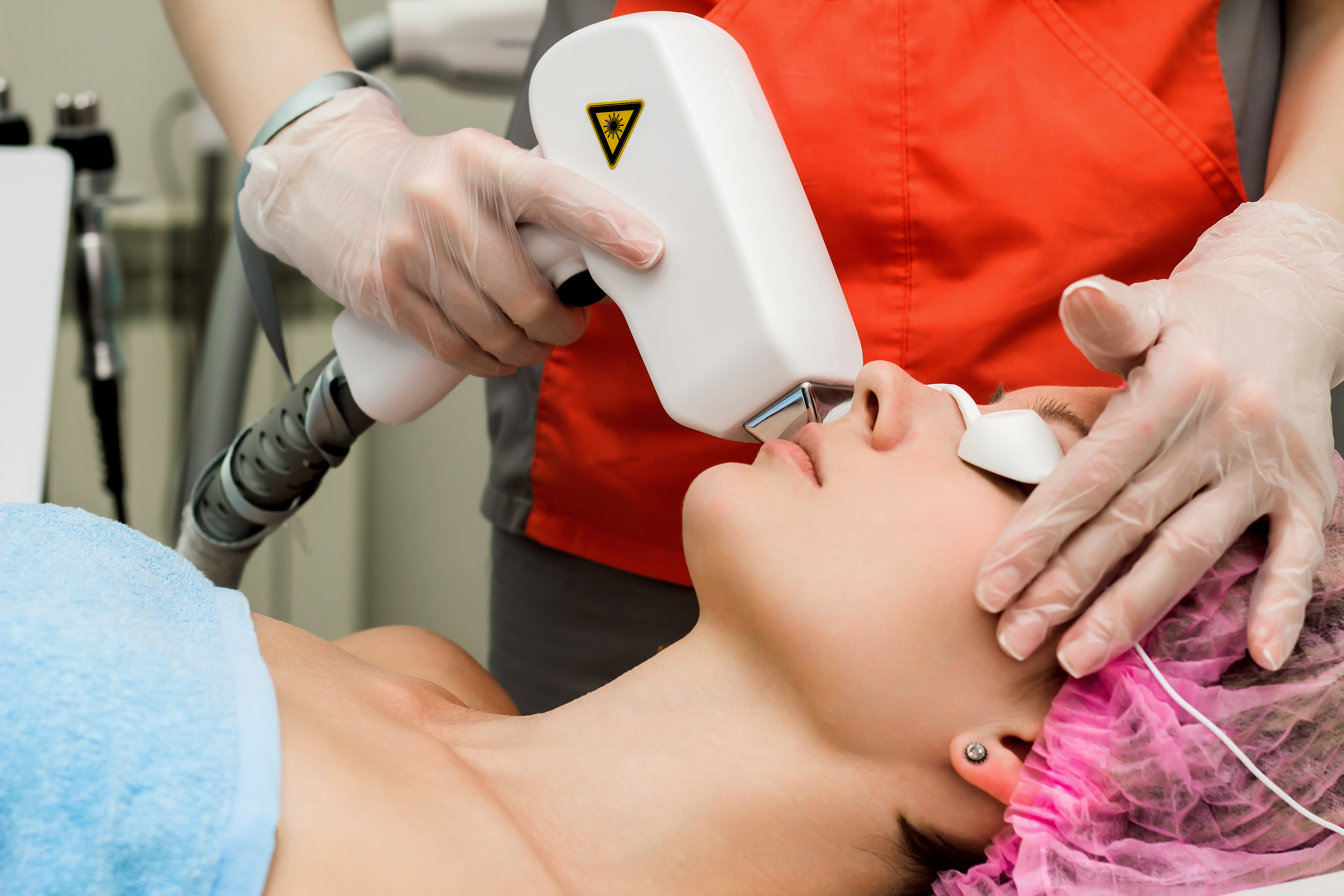
If your eyes often feel gritty, burn, or become blurry by the end of the day, your tear film may not be doing its job. For many people in Coralville, IA, the problem involves meibomian gland dysfunction (MGD), which interferes with the oils that keep tears from evaporating. At Roggy Eye Clinic, we evaluate both oil gland function and eyelid movement to determine whether OptiLight IPL, TriLift, or another dry eye treatment fits your needs.
Why Meibomian Glands Matter
Tiny oil glands along your eyelids release oils each time you blink. This protective layer helps tears stay on your eyes rather than evaporating too quickly. When the glands become blocked or their oils thicken, symptoms may include burning, watering, fluctuating vision, and irritation. Eyelids that do not blink or close fully can worsen the problem by failing to spread tears evenly across the surface. Treating dry eye effectively means identifying which part of this system needs attention.
OptiLight IPL: Addressing Inflammation and Gland Function
OptiLight uses controlled pulses of light on the skin around the eyes, with protective eyewear in place. It is designed to improve signs of dry eye associated with MGD by addressing inflammatory changes that can affect oil gland function. IPL may help improve the quality and flow of gland oils, especially when paired with other care such as meibomian gland expression.
Treatment generally involves a series of visits, and we assess your skin type and eye health to determine whether IPL is appropriate. OptiLight does not regenerate glands that have already been lost, and results vary.
TriLift: Improving Blink Quality and Lid Closure
TriLift takes a different approach. Its dynamic muscle stimulation (DMSt) technology, used with radiofrequency, targets muscles around the eyes that help control blinking and eyelid support. When blinking is incomplete or the lower eyelids are lax, tears may not spread properly, leaving parts of the eye exposed.
By supporting better eyelid tone and movement, TriLift may help improve tear distribution and reduce evaporation for selected patients. Early studies are promising, but evidence for dry eye remains limited. It is not a direct replacement for OptiLight.
OptiLight vs. TriLift: What We Look For
At our Coralville practice, we focus on the cause of your symptoms rather than choosing a device based on the name alone. During your dry eye evaluation, we consider:
· Meibomian gland oil quality and signs of blockage.
· Inflammation around the eyelids and ocular surface.
· Whether your blinks are complete and consistent.
· Eyelid laxity or gaps during eyelid closure.
· Tear stability, symptoms, and previous treatments.
If inflammation and impaired oil secretion are the leading concerns, OptiLight may be considered. If poor blinking or lid seal is a major factor, TriLift may be helpful. Some patients benefit from complementary approaches, while others need different therapies or ongoing home care.
Personalized Dry Eye Treatment in Coralville
Dry eye is often chronic, so improvement requires a plan that fits your diagnosis and follow-up to measure progress. Our goal is to improve how your tears, glands, and eyelids work together, not simply mask discomfort with drops. We will explain your options, realistic expectations, and which treatments make sense for your eyes.
Find relief from dry eye discomfort and enjoy clearer, more comfortable vision with personalized care at Roggy Eye Clinic in Coralville, IA. Call (319) 569-1936 to schedule your appointment today.

- Monday 8:00am - 5:30pm
- Tuesday 8:30am - 7:00pm
- Wednesday 8:00am - 5:30pm
- Thursday 8:00am - 7:00pm
- Friday 8:00am - 1:00pm
- Saturday Closed
- Sunday Closed
© 2026 Roggy Eye Clinic | All rights Reserved. Accessibility Statement - Privacy Policy - Sitemap
Managed and Designed by
